« Previous -
Version 4/17
(diff) -
Next » -
Current version
Andrew Starr, 10/19/2012 05:20 pm
Lab Journal
20 Oct, 2012 - Tunnelling Current Amplifier simulation
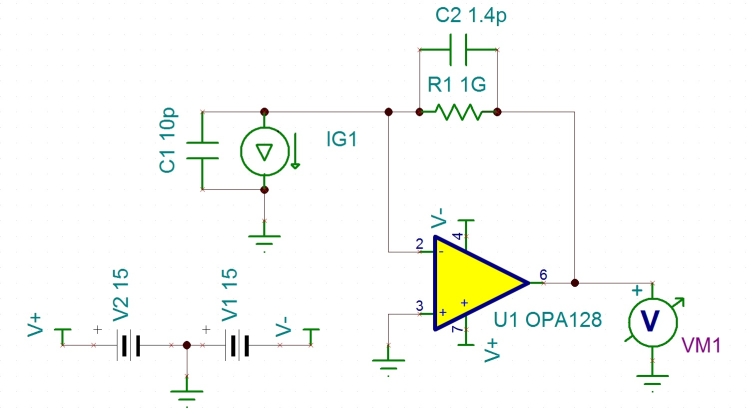
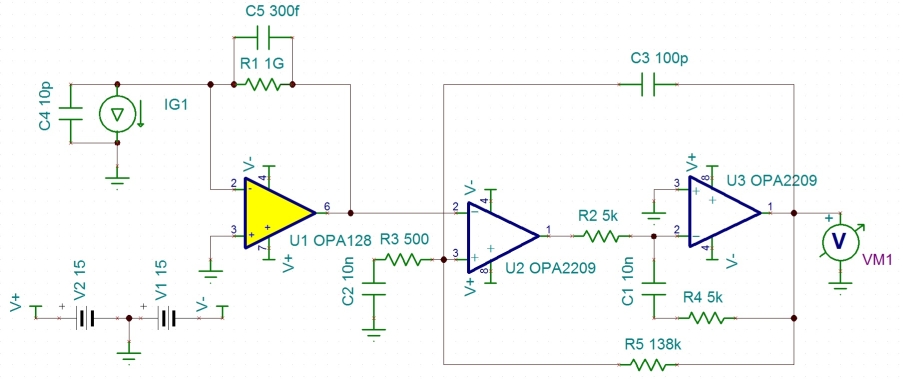
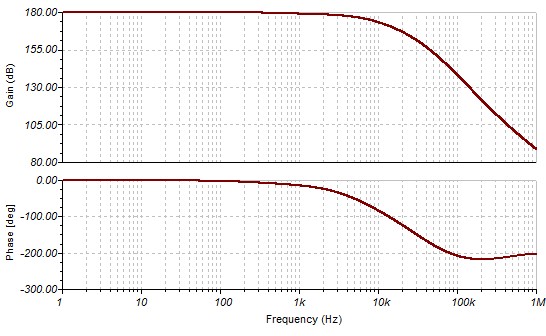
The tunnelling current amplifier is an example of a transimpedance amplifier: it converts a current input into a voltage output. This amplifier is a critical circuit in the microscope, so I have taken advantage of available electronic simulation software to test and tune the design before committing to a PCB.
Bandwidth vs noise
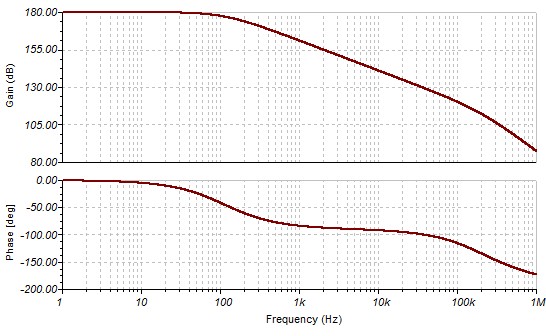
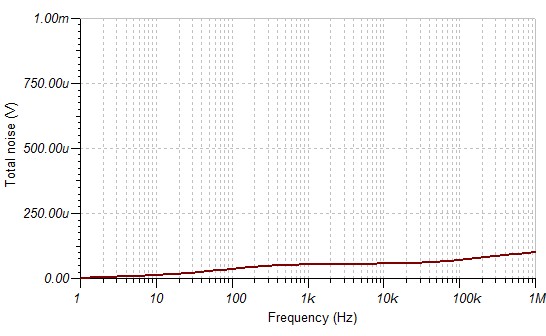
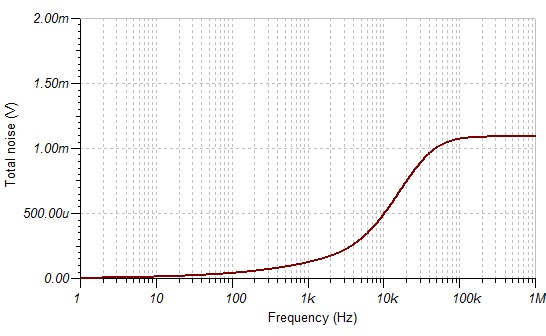
In a transimpedance amplifier there is an unavoidable tradeoff between the bandwidth of the amplifier response and its output noise. The higher the bandwidth of the amplifier, the faster the response, but also the higher the output noise will be. These two parameters have the following effects on the microscope performance:
- Bandwidth affects response time of the amplifier to a change in tunnelling current, and therefore affects the rate at which the sample can be scanned.
- Noise affects the vertical resolution of the tunnelling current, and therefore limits the vertical resolution of the sample data. If the noise is bad enough it may also cause problems in maintaining the tip-sample tunnelling distance.